


Long-term maintenance agreement combines railway asset reliability, local skills development and strategic infrastructure ambitions under Simandou 2040.
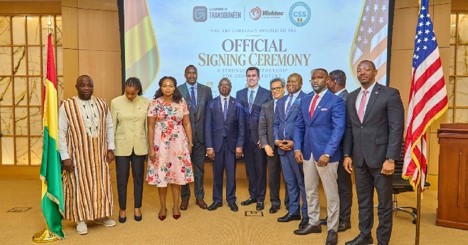
Conakry, Guinea — September 23, 2026: Wabtec Corporation and La Compagnie du TransGuinéen (CTG) have signed a rail services agreement valued at more than $700 million to support the locomotive fleet serving Guinea’s Simandou iron ore project. Announced on September 21, the agreement represents Wabtec’s largest services contract in Africa and brings the company’s combined locomotive and services commitments to Simandou to more than $1.2 billion, including orders placed in 2024.
Supporting Rail Reliability and Operational Performance
The agreement covers Wabtec’s ES43AC Evolution Series locomotives, powered by 4,500-horsepower engines. Its scope includes scheduled and unscheduled maintenance, component overhauls, spare parts management, logistics support, workforce training and advanced remote diagnostics. The services are intended to improve locomotive availability, operational efficiency and reliability across the TransGuinean railway.
For a large-scale iron ore operation, railway reliability is a critical component of the supply chain. Simandou’s production performance will depend not only on mining and processing capacity but also on the ability to transport ore consistently from the mine to the export infrastructure. A long-term maintenance agreement with the original equipment manufacturer can support more systematic maintenance planning, access to technical expertise and improved management of critical components.
However, the commercial value of such an arrangement will ultimately depend on operational execution, including maintenance turnaround times, spare parts availability, workforce capability and the railway’s ability to meet its intended transportation requirements.
Localization and Skills Development
A central element of the agreement is the development of local capabilities through training, workforce development and partnerships with Guinean businesses. This component is particularly relevant as Guinea seeks to expand domestic technical expertise in railway operations and industrial maintenance.
The long-term effectiveness of localization will depend on how training is integrated into operational systems. Structured competency development, practical maintenance experience and the gradual expansion of responsibilities for Guinean technicians could help establish a sustainable national skills base. For local suppliers, the agreement may also create opportunities in logistics, parts support, technical services and related railway activities, although the extent of these opportunities will depend on procurement structures and implementation.
Infrastructure for a Broader Economic Corridor
The TransGuinean railway extends more than 600 kilometers, connecting the Simandou mining area with the Port of Morebaya. In addition to iron ore transportation, the corridor is designed to accommodate passengers and non-mining goods, giving it a potential role in wider economic connectivity.
This multi-use design places the railway within a broader infrastructure strategy rather than limiting its function to mineral exports. Its long-term contribution to Guinea’s economy will depend on the development of reliable operations, appropriate access arrangements and effective integration with other transport and commercial activities.
Guinea’s Minister of Mines and Geology, Bouna Sylla, described the agreement as reflecting the country’s approach to partnerships with American companies and access to international technology, in line with the Simandou 2040 vision.
Mining Insights: The Wabtec–CTG agreement highlights the growing importance of railway asset management, technology transfer and local workforce development in Guinea’s mining infrastructure. As Simandou advances, the performance of its rail and port logistics systems will remain an important factor for mining operators, service providers and industrial investors monitoring the country’s emerging iron ore sector.
Share on social media

-