


The company’s return to operations highlights the importance of regulatory compliance, operational continuity and stakeholder confidence in Guinea’s bauxite sector.
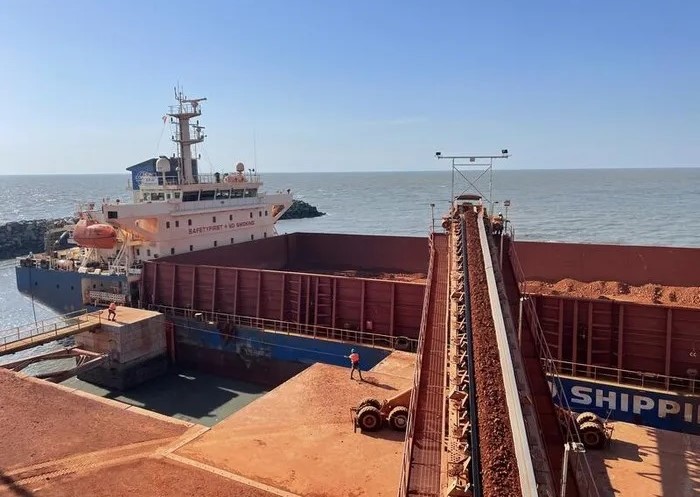
Boffa, Guinea — September 21, 2026 — Bel Air Mining SAS (BAM) has announced the resumption of its activities following a temporary interruption to vessel-loading operations on Thursday, September 17, according to a statement issued by the company on Friday, September 18.
The announcement provides a limited but relevant update on operations at the Bel Air bauxite project in Boffa, while leaving the circumstances and substance of the underlying procedure undisclosed. Bel Air Mining’s management stated that the company remains committed to respecting Guinea’s institutions, judicial authorities, and applicable laws and regulations.
The company also confirmed that the procedure remains ongoing and that it would not comment on its circumstances or merits at this stage. Its statement emphasized the continuation of operations, the fulfillment of commitments to employees and business partners, and the maintenance of a responsible and legally compliant operating framework.
For mining industry stakeholders, the development illustrates how regulatory and judicial processes can intersect with the logistical requirements of mineral exports, particularly in a bauxite-producing region where vessel loading represents a critical link between mine production and international markets.
Bel Air’s Strategic Role in Guinea’s Bauxite Industry
Bel Air Mining operates within Guinea’s established bauxite-exporting ecosystem, with the project developed by Alufer Mining. The Bel Air Bauxite Project was designed around an initial production capacity of approximately 5.5 million tonnes per annum (Mtpa). Its infrastructure includes a dedicated export facility, a haul road, stockpiling facilities, and a marine loading system extending into the Atlantic Ocean. DRA Global, which was involved in developing the project’s infrastructure, describes a 1.4-kilometre causeway and a barge-loading berth as key components of the operation.
This infrastructure configuration makes the reliability of maritime logistics particularly important. Any disruption affecting loading, stockpiles, haulage or port access can have consequences beyond the immediate interruption, potentially affecting shipment schedules, contractual commitments and supply-chain coordination.
The latest development should therefore be assessed not only in terms of operational resumption but also in relation to the company's ability to maintain predictable production and export performance.
Judicial Procedure and Commercial Risk
Although BAM’s official communication does not disclose the substance of the ongoing procedure, several Guinean media reports have linked the interruption to a commercial dispute. Mosaique Guinée reported allegations concerning a dispute over the delivery of 350,000 tonnes of bauxite, while other outlets described differing accounts of the operational situation and the company’s position. These reports should be treated as media-reported allegations rather than established findings, particularly while the company maintains that the procedure is ongoing.
For mining companies operating in Guinea, the situation underscores the importance of clearly structured commercial agreements, payment security, shipment documentation and dispute-resolution mechanisms. Bauxite supply contracts involving substantial volumes and advance financing require effective coordination between producers, buyers, logistics providers and financial stakeholders.
The publicly available government contract database identifies Bel Air Mining and Alufer Mining-related concession documentation, including provisions addressing dispute resolution and contractual obligations. However, these records do not establish the specific legal issues involved in the current procedure.
Implications for Industry Stakeholders
The resumption announcement is relevant to several groups across Guinea’s mining value chain:
Employees and contractors: Operational continuity supports workforce stability and the ongoing delivery of contracted services.
Buyers and trading partners: Reliable vessel loading is essential for shipment planning, inventory management and contractual execution.
Logistics providers: Marine and land transport operators depend on predictable production and dispatch schedules.
Government and regulatory authorities: Mining operations must continue within the applicable legal and institutional framework.
Investors and lenders: The handling of commercial and judicial risks can influence confidence in operational resilience and project governance.
The broader context is a Guinean bauxite industry continuing to attract significant international commercial interest. In September 2026, Reuters reported that Guinea was discussing potential investments with Glencore in alumina refining and energy, following a bauxite marketing agreement covering 10–12 million tonnes annually over five years. The development illustrates the continued importance of Guinea’s mineral resources to international supply chains, while also highlighting the country’s ambitions to expand value addition beyond raw bauxite exports.
Outlook: Monitoring the Next Developments
Bel Air Mining’s announcement confirms its stated resumption of activities but does not provide operational details such as restored loading volumes, shipment schedules, production targets or the resolution status of the underlying procedure.
For mining actors, the next indicators to monitor include the continuity of vessel-loading operations, any further official communication from BAM, and verified developments concerning the judicial process. These factors will help determine whether the reported interruption remains an isolated operational event or has wider implications for the project’s commercial and logistical performance.
Share on social media

-