


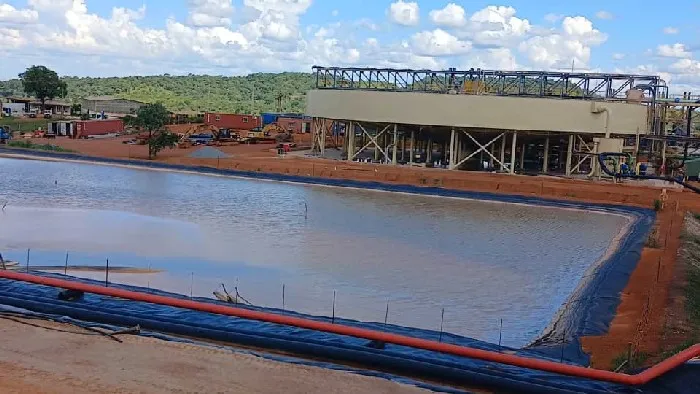
The recent exchange of press statements between the Société des Mines de Mandiana (SMM) and the civil society organization Tournons la Page (TLP-Guinée) has reignited debate on the environmental sustainability of mining operations in Guinea. While SMM firmly denies allegations of cyanide pollution in Mandiana, TLP claims to possess documented evidence and community testimonies proving otherwise. Regardless of which side is correct, this controversy underscores a deeper issue: the persistent lack of environmental accountability and transparent governance within Guinea’s mining industry.
Mining remains a cornerstone of Guinea’s economy, with gold, bauxite, and soon iron ore from Simandou driving national revenues. However, this economic growth often comes at the expense of local ecosystems and rural livelihoods. Communities living near mining sites frequently report water contamination, loss of arable land, and declining biodiversity — problems that, if left unchecked, threaten long-term sustainability and social stability.
The Mandiana case reveals an urgent need for the government and mining companies to strengthen their environmental monitoring and social responsibility frameworks. Mining companies must move beyond mere compliance and embrace proactive transparency. Publishing periodic environmental audits, engaging third-party verifiers, and establishing open communication platforms with local communities are essential to rebuilding trust. Environmental impact assessments should not be treated as bureaucratic formality but as living documents guiding daily operational decisions.
The government, for its part, has a critical role to play in ensuring effective regulation and independent oversight. Institutions responsible for environmental monitoring must be adequately funded and empowered to enforce compliance without political interference. Clear sanctions for pollution, combined with incentives for cleaner technologies and best practices, can promote responsible mining and preserve Guinea’s ecological heritage.
Civil society organizations like TLP-Guinée also have an important role, but their engagement should be anchored in verifiable data, collaboration, and dialogue rather than confrontation. Constructive partnerships between communities, government, and companies can transform potential conflicts into opportunities for joint problem-solving and sustainable development.
Ultimately, Guinea’s mining future depends not only on resource extraction but on the country’s ability to balance profit with protection — economic growth with environmental integrity, and development with dignity for the communities who bear the brunt of mining’s impact. The Mandiana episode should serve as a wake-up call: sustainability and social responsibility are not optional; they are the pillars of Guinea’s mining credibility and future prosperity.