


A high-profile legal dispute involving Rio Tinto is unfolding before Guinea’s Cour de Répression des Infractions Économiques et Financières (CRIEF), underscoring mounting scrutiny over contract governance and procurement practices linked to large-scale corporate-funded projects in the country.
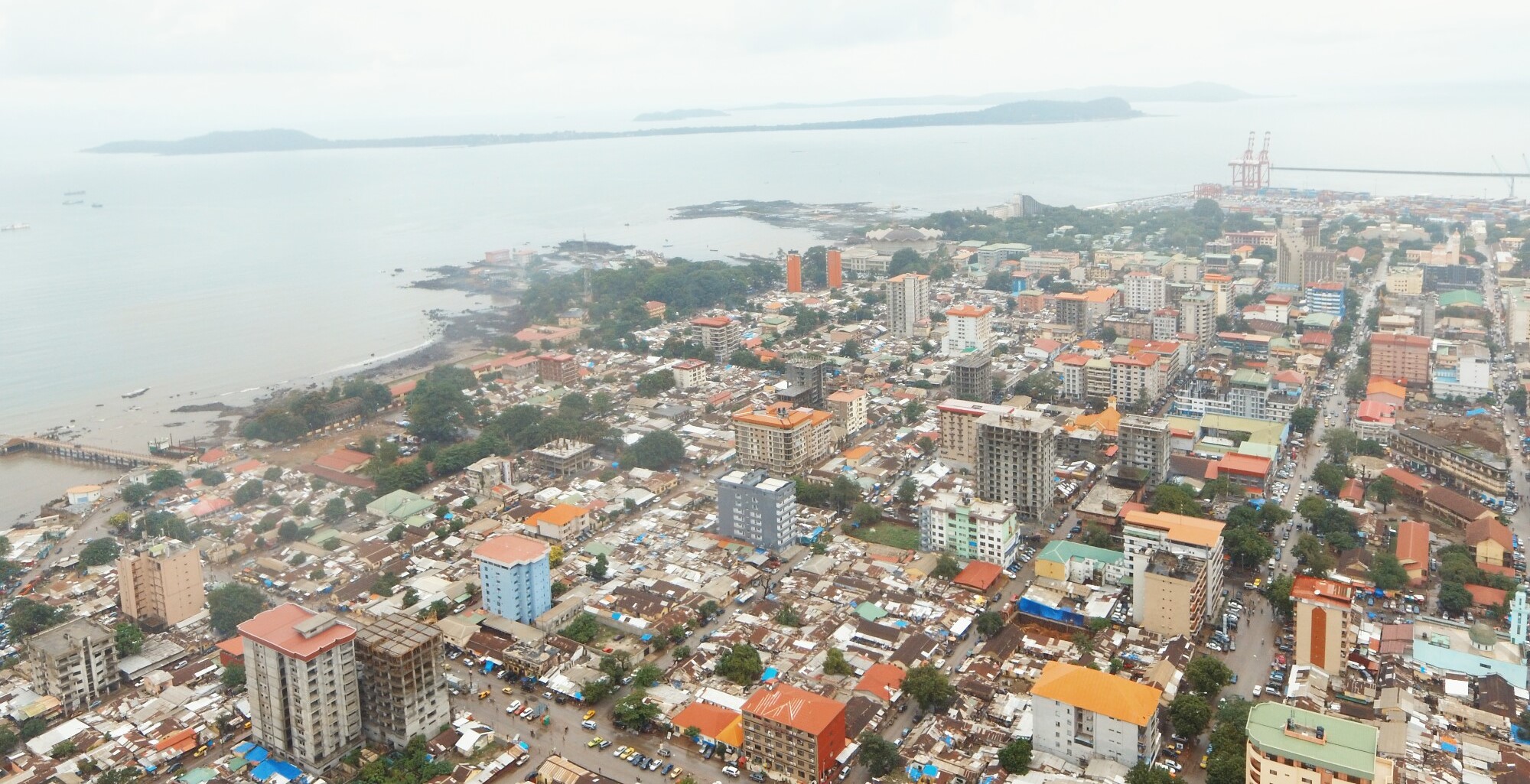
Although unrelated to mining rights, the case has attracted significant attention within Guinea’s extractive sector given Rio Tinto’s strategic position in the country, notably through the Simandou iron ore development. The litigation centers on the construction of a 13-hectare urban park in central Conakry, a project fully financed by Rio Tinto as part of its community development commitments.
The proceedings stem from Contract SIMF-1639, awarded in June 2023 to Videri Entreprises SARL for infrastructure works associated with the Conakry Urban Park project. Videri alleges that the project was technically unexecutable due to the absence of essential feasibility studies and engineering designs, which were reportedly under the responsibility of Graphem Guinée SARL, designated as project manager.
Videri has brought claims against several parties, including Rio Tinto Guinée SA, Graphem Guinée SARL, and individuals associated with the project, alleging favoritism, corruption, usurpation of professional titles, and collusion. The plaintiff is seeking damages amounting to GNF 47.34 billion (approximately USD 5.5 million equivalent at prevailing exchange rates).
Central to the argument is whether the project should have been subject to Guinea’s Public Procurement Code. Counsel for Videri contends that the award of project management services occurred without competitive tendering and that the architectural oversight did not comply with national professional registration requirements.
Rio Tinto has formally rejected the allegations, stating that the Conakry Urban Park initiative was entirely financed as a corporate donation and therefore did not constitute a public procurement contract. According to the company, no public funds were involved, and the project was structured as a private development initiative.
The company further asserts that Videri’s construction contract was terminated due to non-performance and failure to meet contractual obligations. Rio Tinto has described the claims as “fallacious and vexatious” and confirmed it will robustly defend its position. It has also stated its readiness to initiate counter-proceedings if necessary.
Legal counsel for the defense has argued that the dispute is fundamentally civil in nature and should fall under contractual arbitration provisions rather than criminal economic jurisdiction.
For mining sector stakeholders, the case carries implications beyond the urban park itself. It reflects heightened institutional oversight by the CRIEF over economic and financial matters, including those involving multinational operators.
The proceedings also raise broader questions regarding:
- The legal classification of corporate-funded infrastructure delivered under government protocols;
- The boundary between private contractual disputes and economic criminal liability;
- Compliance requirements for foreign technical consultants operating in Guinea;
- Risk exposure for mining companies engaging in social infrastructure projects outside core mining assets.
Rio Tinto’s operational footprint in Guinea is anchored in the world-class Simandou iron ore deposit, widely regarded as one of the largest undeveloped high-grade iron ore resources globally. Given the scale of investment and international partnerships tied to Simandou, governance matters affecting corporate reputation carry strategic weight.
The CRIEF has adjourned proceedings to 6 April 2026 for continued examination of the merits. Observers note that the court’s eventual determination could clarify the jurisdictional limits between arbitration clauses in commercial contracts and prosecution under economic crime statutes.
For operators in Guinea’s mining and infrastructure ecosystem, the case serves as a reminder of the evolving legal environment governing project delivery, third-party contracting, and compliance documentation. While the dispute remains confined to a non-mining asset, its outcome may shape risk management strategies for corporate social investment projects linked to extractive developments.
Guinea Mining Insights will continue to monitor developments as the proceedings advance.