


The Simandou Iron Ore Project in Guinea has reached a pivotal stage, as Rio Tinto confirmed the first loading of iron ore from the mine site for transport to the Morebaya port. This marks the beginning of an integrated mine-rail-port commissioning process that positions Simandou as a future cornerstone of West Africa’s iron ore industry.
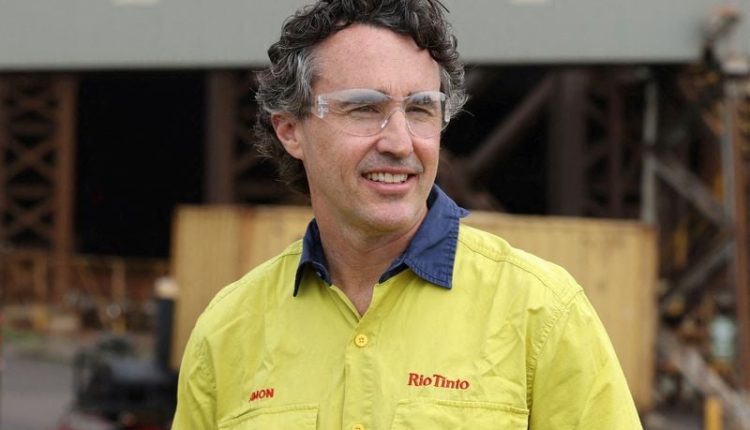
Simon Trott, Chief Executive of Rio Tinto Iron Ore, described the event as a “key milestone” in the company’s growth strategy. Speaking to Australian Resources & Investment, Trott emphasized that Simandou is advancing at a strong pace. “Our growth projects are progressing steadily. At Simandou, we have begun loading the first ore at the mine for rail transport to the port in October,” he stated.
By the end of September, approximately 1.5 million tonnes of ore had already been stockpiled at the SimFer mine site. The material is now being moved via the SimFer rail spur to the main line and subsequently transported to the Winning Consortium Simandou (WCS) port facilities, ahead of the first commercial shipment expected in November.
This initial movement of ore initiates months of integrated system testing—covering mining operations, rail logistics, and port handling capacity. According to Rio Tinto, full ramp-up to nameplate capacity is projected within 30 months. Once operational, the Simandou Project is expected to deliver up to 60 million tonnes of premium-grade iron ore annually, reinforcing Rio Tinto’s long-term position in the high-grade segment of the global market.
Developed by SimFer, a joint venture between Rio Tinto (85%) and the Government of Guinea (15%), Simandou remains one of the world’s largest untapped iron ore deposits. The project spans more than 100 kilometers along the Simandou mountain range in southeastern Guinea and integrates world-class infrastructure investments, including over 600 km of new rail lines and a deep-water export port at Morebaya.
For mining companies and investors, Simandou’s progress signals renewed momentum in Guinea’s mining landscape. The project demonstrates the country’s growing capability to deliver large-scale, integrated mining operations with global partners—setting a precedent for future iron ore and critical mineral developments across the region.
As commissioning advances toward full-scale production, the Simandou corridor is poised to become a strategic driver of economic growth for Guinea, while reshaping supply dynamics in the global iron ore market.