


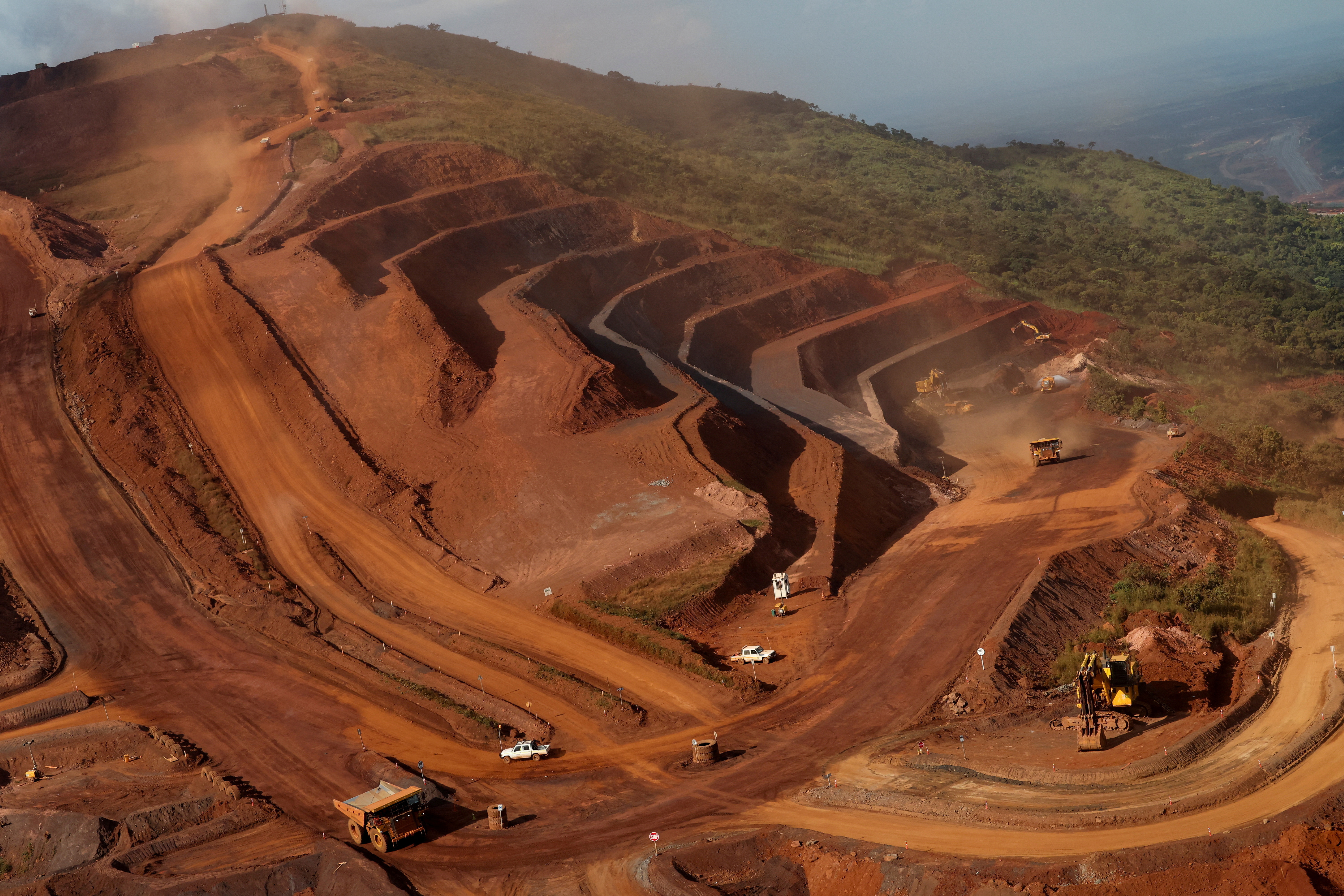
Operations at the Simandou iron ore project in southeastern Guinea have been fully suspended following a fatal incident involving an employee of a subcontracting company at the SimFer site on Saturday, 14 February. The decision by Rio Tinto underscores the gravity of the event and signals a comprehensive safety review at one of the world’s most strategic undeveloped iron ore deposits.
In an official statement, Rio Tinto Iron Ore Chief Executive Simon Trott extended condolences to the family, friends, and colleagues of the deceased worker, confirming that the company is working closely with authorities, partners, and contractors to conduct a thorough investigation. Trott is expected in Guinea this week to engage directly with site teams.
The SimFer project, located in the Simandou range in the Nzérékoré region, is widely regarded as a transformative asset for Guinea’s mining sector. With high-grade iron ore resources and major infrastructure components—including rail and port development—Simandou is central to Guinea’s ambition to consolidate its position as a leading global iron ore supplier. Any operational disruption at this scale has both local and international implications.
The suspension of all works and activities will inevitably impact project timelines, particularly as Simandou advances through critical development phases. Contractors, EPC providers, logistics partners, and community stakeholders are likely to feel the short-term effects of the pause. However, from a governance and ESG standpoint, the decision to halt operations reflects a zero-tolerance approach to fatal risks—an increasingly non-negotiable expectation among investors and regulators.
For mining actors in Guinea, this incident serves as a stark reminder of the elevated risk profile associated with large-scale greenfield developments. Simandou’s complex terrain, heavy equipment movements, construction interfaces, and multi-contractor environment create layered risk exposures that demand robust contractor management systems, real-time risk assessments, and uncompromising safety culture alignment.
Notably, the victim was employed by a subcontractor. Across the mining industry, contractor-related incidents continue to represent a disproportionate share of serious injuries and fatalities. This reality highlights persistent gaps in supervision, competency assurance, and integration of contractor workforces into principal-controlled safety frameworks.
For operators in Guinea, the lesson is clear: safety performance cannot be outsourced. Principal companies must ensure that subcontractors are not only compliant on paper but fully embedded in site-specific critical risk controls, leadership engagement routines, and behavioral safety standards. Alignment between corporate safety systems and field-level execution remains a decisive factor in preventing fatal events.
Guinean authorities are expected to be closely involved in the investigation process. Beyond regulatory compliance, the response to this incident will be closely watched by host communities and national stakeholders. As Simandou carries significant socio-economic expectations—including employment, infrastructure development, and fiscal contributions—maintaining trust through transparency and accountability will be essential.
Rio Tinto’s public commitment to learning from the incident and preventing recurrence places safety leadership at the forefront of the project’s next phase. For Guinea’s mining sector, this tragic event may catalyze broader industry reflection on fatal risk management, contractor governance, and executive visibility on site.
While the immediate priority remains supporting affected colleagues and conducting a rigorous investigation, the longer-term impact will depend on the corrective actions implemented and the cultural shifts achieved. In a high-stakes project such as Simandou, operational excellence must be inseparable from safety excellence.