


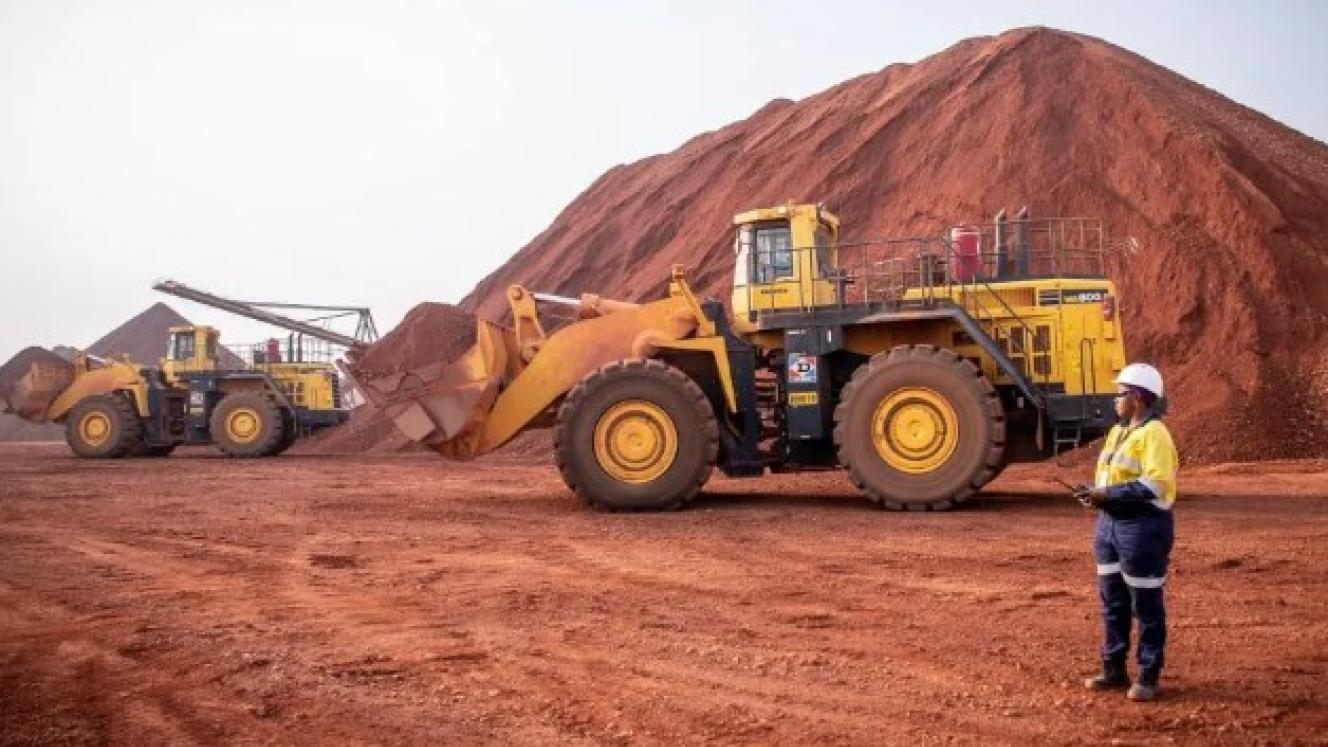
Emirates Global Aluminium (EGA) and the Guinean government have re-engaged in substantive negotiations following months of escalating tensions over the seizure of the UAE-based producer's bauxite operations, signaling a potential pathway toward resolving one of 2025's most significant resource nationalism disputes in West Africa.
Negotiations Focus on State-Mediated Supply Framework
Active discussions between EGA and Guinea are now centered on establishing a commercial bauxite supply arrangement through Nimba Mining SA, the state-owned entity that assumed control of assets formerly operated by EGA's subsidiary, Guinea Alumina Corporation (GAC). According to government sources, the talks are progressing constructively, with both parties motivated to avoid protracted international arbitration over what EGA has characterized as an illegal expropriation of approximately one billion dollars in invested capital.
The negotiations represent a pragmatic de-escalation from EGA's earlier position threatening legal recourse through international channels. Industry observers note that the company's willingness to engage commercially reflects the strategic importance of Guinean bauxite to its integrated production chain, particularly given the technical specifications of its Al Taweelah alumina refinery in the UAE, which was engineered specifically to process ore from Guinea's reserves.
Technical and Commercial Imperatives Drive EGA's Engagement
EGA's return to the negotiating table underscores the operational constraints facing the producer. Alternative bauxite sources from Australia or Brazil present both technical challenges and cost premiums that would materially impact the economics of its refining operations. The company's dependency on Guinean feedstock has effectively positioned the government with substantial leverage in structuring terms for resumed supply.
Nimba Mining has maintained momentum at the former GAC operations, continuing to export stockpiled material while working toward a production target of 10 million tonnes in 2026. The state entity has indicated its intention to eventually restore output to the 14 million tonnes per annum level previously achieved under GAC's operation, demonstrating confidence in its operational capability and market positioning.
Resource Nationalism Reshapes Guinea's Mining Landscape
The dispute stems from Guinea's increasingly assertive enforcement of value-addition requirements under its 2011 Mining Code, which mandates local processing infrastructure for major projects. In mid-2025, authorities revoked GAC's operating license, citing failure to meet committed timelines for construction of a domestic alumina refinery. The subsequent transfer of assets to Nimba Mining without compensation prompted EGA to halt operations and announce workforce reductions affecting over 2,000 employees.
The government's actions reflect a broader strategic shift by Guinea's military-led administration to leverage the country's position as the world's second-largest bauxite exporter. By compelling international mining companies to invest in downstream processing capacity, authorities aim to capture greater economic value from the nation's mineral wealth and develop industrial capabilities beyond raw material extraction.
Implications for Guinea's Bauxite Sector
The emerging framework from the EGA-Nimba negotiations is likely to establish precedent for other international operators in Guinea's bauxite sector. Major producers including Rio Tinto and Rusal face similar pressure to commit to local refining capacity, suggesting that the resolution of this dispute will be closely studied across the industry.
Nimba Mining's recent tender for construction of a 1.2 million tonne per annum alumina refinery signals the practical implementation of the government's value-addition policy. The development of domestic processing capacity represents a fundamental shift in Guinea's mining sector business model, moving away from the export-focused approach that has historically characterized the industry.
Market Outlook
Should EGA and Guinea successfully conclude a commercial supply agreement, it would demonstrate that negotiated settlements remain viable even following unilateral asset seizures, potentially encouraging similar approaches in other jurisdictions facing pressure to increase local value capture from mineral resources. However, the dispute has also highlighted execution risks for international miners in environments where regulatory frameworks are subject to political interpretation and enforcement can shift rapidly.
The bauxite market will be monitoring whether the final terms include provisions for EGA's participation in downstream processing activities or whether the company will operate purely as an offtake partner to the state-controlled production chain. The structure of any agreement will provide important signals regarding the investment climate for foreign mining companies in Guinea and similar jurisdictions pursuing aggressive resource nationalism policies.
For the broader aluminium supply chain, resolution of the Guinea-EGA standoff would restore a critical supply link and reduce uncertainty around feedstock availability for one of the sector's significant producers. The negotiations' outcome will likely influence how other integrated aluminium producers assess country risk and structure their upstream investments in bauxite-rich jurisdictions.