


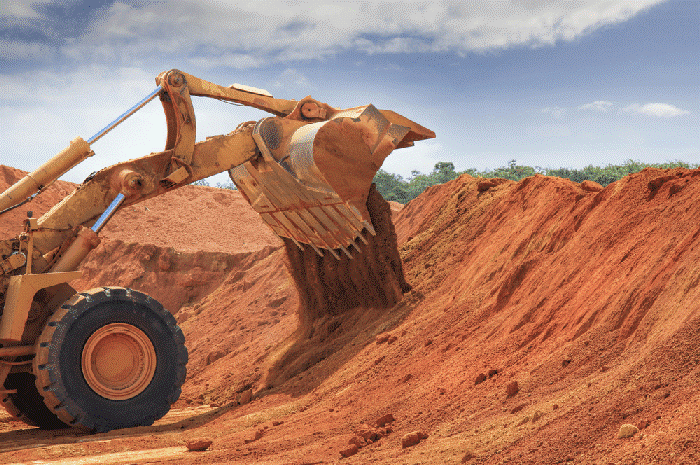
Guinea International Corporation's subsidiary AGB2A-GIC has secured provisional authorization from the Ministry of Mines and Geology to resume bauxite extraction and export operations in the Boffa and Fria zones, ending a seven-month operational standstill that followed the revocation of the mining permit previously held by Axis Minerals.
The wholly Guinean-controlled entity marked its operational restart on December 23, 2025, with a Quranic reading ceremony attended by local authorities, religious leaders, company officials, employees, and surrounding communities. Extraction activities have already recommenced, with the company now awaiting vessel scheduling for exports. Approximately six million tonnes of bauxite remained stockpiled during the suspension period.
AGB2A-GIC is maintaining ambitious production targets of 10-18 million tonnes annually for 2026, consistent with its 2025 objectives. The company has deployed substantial capital into the project, with infrastructure investments exceeding USD 313 million covering mining and community roads, water drilling facilities, school rehabilitation, teacher salaries, and direct food assistance programs for local families.
Notably, the operation features what is described as the most modern mining port facility in the region, positioning the company competitively alongside neighboring operators in Guinea's strategic bauxite corridor.
The resumption occurs within Guinea's newly implemented mining royalty framework, representing a significant policy evolution in the country's resource governance. Under this model, the State will directly collect royalties from AGB2A-GIC and its counterpart operating on the adjacent permit area, replacing previous indirect collection mechanisms. This structural change aims to enhance fiscal transparency and optimize revenue capture from the sector.
The restart carries considerable weight for Guinea's macroeconomic stability. Mining contributes over 20% of national GDP and accounts for approximately 80% of export earnings, with bauxite serving as the cornerstone commodity. Guinea controls roughly one-third of known global bauxite reserves, making operational continuity at major deposits strategically important.
The seven-month suspension highlights ongoing permit administration challenges in Guinea's mining sector, where licensing transitions can create extended operational disruptions. The "provisional" nature of the current authorization suggests the regulatory framework surrounding this asset may still be evolving, warranting continued monitoring by sector participants.
The direct royalty collection mechanism represents a broader trend toward resource nationalism and fiscal optimization across West African jurisdictions. While potentially increasing government revenues, this approach will require robust administrative capacity to ensure efficient collection and minimize operational friction with mining operators.
AGB2A-GIC's substantial social investment—including education and food security programs—reflects growing expectations for mining companies to deliver tangible community benefits beyond statutory obligations. This integrated approach to license maintenance and social license to operate has become increasingly critical in Guinea's mining landscape.
The resumption adds meaningful production capacity back to global bauxite supply chains at a time when aluminum feedstock markets remain sensitive to supply disruptions from major producing regions.