


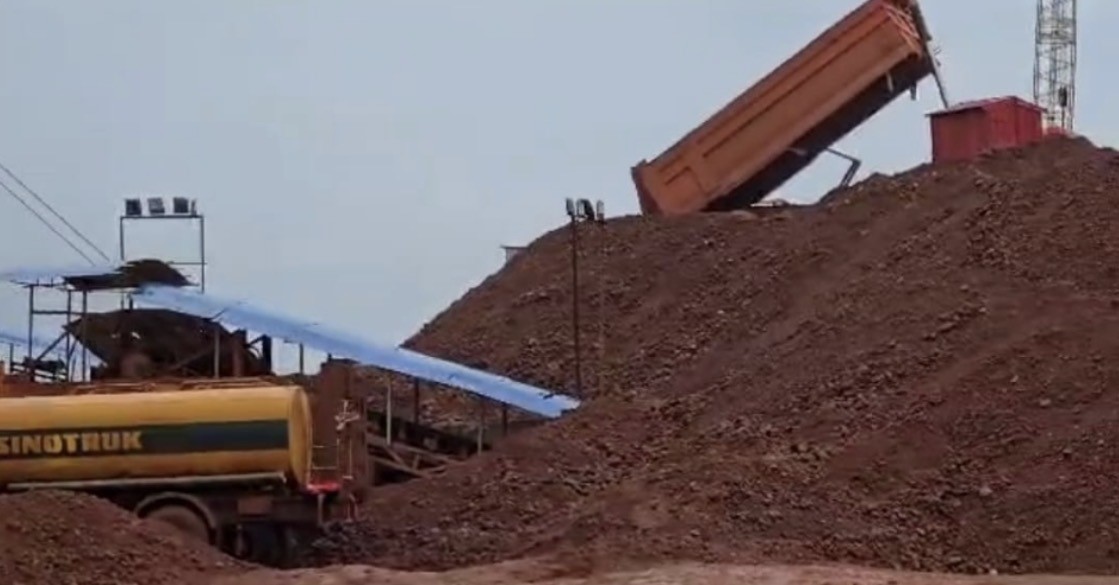
The Guinean bauxite sector is once again facing turbulence as local mining company AGB2A-GIC sounds the alarm over the potential loss of more than 3,000 direct jobs and the jeopardy of over USD 300 million in private investment, following the government’s directive to vacate its operations area previously linked to Axis Minerals. The move highlights ongoing tensions in Guinea’s mining governance and raises key concerns for investors about stability and contractual reliability in the sector.
In a formal communication dated November 10, 2025, AGB2A-GIC requested a moratorium from the Ministry of Mines to suspend the evacuation of its installations located on the perimeter recently withdrawn from Axis Minerals and reintegrated into the State’s mining portfolio. The company argues that its investments and social commitments in the area warrant a negotiated settlement rather than abrupt displacement.
A Transactional Proposal to Preserve Operations
AGB2A-GIC proposed a transactional settlement to the ministry: an immediate payment of USD 125 million, representing half of a total proposed compensation of USD 250 million, in exchange for authorization to continue exploiting approximately six million tonnes of bauxite remaining on site.
The company also committed to paying a royalty of USD 2 per tonne, consistent with the rate previously applied under Axis Minerals’ now-cancelled sublease agreement.
According to AGB2A-GIC executives, this proposal represents “a balanced compromise” that could both safeguard thousands of jobs and allow the State to secure substantial revenues, all while avoiding a lengthy and damaging legal standoff.
Disputed Management and Emerging Allegations
AGB2A-GIC, a 100% Guinean-owned company, has criticized what it describes as unequal treatment by mining authorities. The firm claims that while it has been prevented from exporting its ore, its former partner SD Mining was allowed to ship stockpiled bauxite through the Kokaya Port.
Adding to the controversy, the company reports the recent discovery of boundary markers (“bornes”) bearing the “SDM” insignia within the disputed area—suggesting that SD Mining may still have an operational presence there despite an official order to cease all activity.
This revelation has reignited industry concerns about transparency, governance, and potential conflicts of interest within the mining administration. Several stakeholders have pointed to inconsistencies in how disputes and permit reallocations are managed, particularly when local companies are involved.
Unclear Governance and the Shadow of Past Deals
The dispute occurs against the backdrop of a July 2025 memorandum of understanding between the Ministry of Mines and SD Mining regarding the reallocation of Axis Minerals’ former permit. That agreement was subsequently annulled under public and media pressure, following allegations of procedural irregularities.
However, the reappearance of SD Mining markers in the area raises new questions about whether unofficial arrangements may still be influencing the field operations.
Industry observers note that this episode could erode investor confidence, especially among local operators and joint ventures seeking equitable treatment alongside foreign investors.
A Call for Constructive Dialogue
AGB2A-GIC has appealed to the Ministry of Mines for a constructive, transparent resolution, emphasizing three key principles:
- Recognition of prior investments and contractual commitments;
- Protection of Guinean employment and community benefits;
- Equitable treatment in mining governance and licensing decisions.
The company maintains that an amicable settlement would preserve not only jobs and capital but also the credibility of Guinea’s mining investment climate—a vital factor for sustaining the country’s strategic ambitions to become a global bauxite leader.
Implications for Mining Stakeholders
For mining actors, this case underscores several key insights:
- Regulatory stability and transparency remain critical to investor confidence. Frequent reversals or opaque reallocations of permits risk deterring both local and foreign investment.
- Equitable treatment of national companies can help sustain inclusive growth in the mining value chain, particularly as Guinea seeks to localize economic benefits.
- Structured dispute resolution mechanisms—including arbitration and moratorium frameworks—could help prevent operational disruptions and reputational damage.
As the situation unfolds, the AGB2A-GIC case will serve as a significant test of Guinea’s mining governance credibility and its commitment to balancing national interests with the rights and expectations of private investors.